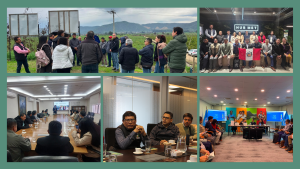
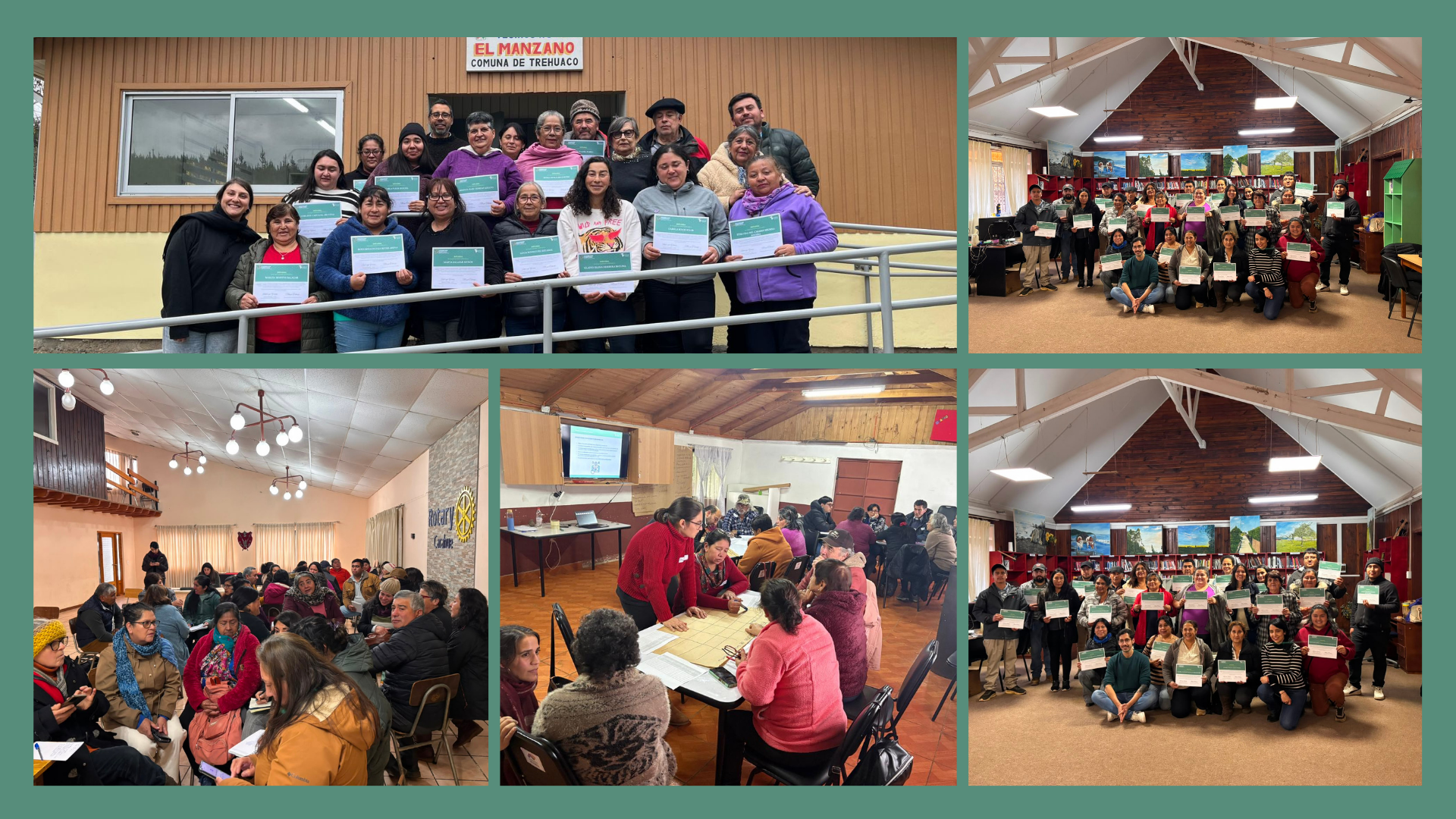
With the goal of fostering a space for hands-on learning where technological tools are effectively put to work for family farming, the in-person classes for the three courses in the “Digital Transformation for Family Farming” Training Program concluded this week . This initiative is part of the Connected Communities project, an interagency effort of the United Nations System, the Government of Chile, and the private sector, led by FAO together with ECLAC, UN Women, the United Nations in Chile, PAHO/WHO Chile, and the ITU, with Rimisp —the Latin American Center for Rural Development—directly delivers the courses in the communities.
The initiative, funded by the Joint SDG Fund, aims to bridge the digital divide in underdeveloped rural areas by providing internet access, digital skills training, strengthening telehealth services, improving access to public services, and supporting local economic development.
Over the past few weeks, the professional teams visited various municipalities in the Ñuble Region, such as Pemuco, Trehuaco, Cobquecura, Coelemu, San Ignacio, San Fabián, Pinto, and El Carmen, as well as in the Araucanía Region, including Toltén, Saavedra, Carahue, and Freire. With this outreach effort, the implementation of the three training cycles that make up the program was completed. As a result, the participants successfully completed Course 1: Digital Literacy, Course 2: Efficient and Sustainable Agricultural Production, and Course 3: Marketing and Collaborative Efforts.
In total, the courses actively engaged nearly 350 people from various agricultural sectors in both regions. The majority of attendees were women, and the group also included young people and members of indigenous communities. In addition, the program demonstrated valuable productive diversification, as the core group of small-scale traditional farmers was joined by foragers, artisans, artisanal fishermen, and rural tourism entrepreneurs.
The on-site implementation revealed a wide range of prior digital skills among the participants, ranging from those with advanced proficiency to those taking their first steps in using the internet and smartphones. To address challenges specific to rural areas, such as limited connectivity or transportation, the training program flexibly adapted class schedules and locations to make it easier for the community to attend.
At the end of the process, what participants valued most was the practical approach and small-group learning. These methodologies were key to helping them overcome their fear of technology and gain confidence in applying these new tools to manage their work in rural areas, as well as in incorporating sustainable practices and business management processes into their production.