Rimisp and CEDEPAS Norte are promoting a technical internship in Chile as part of the Crecer Rural Program
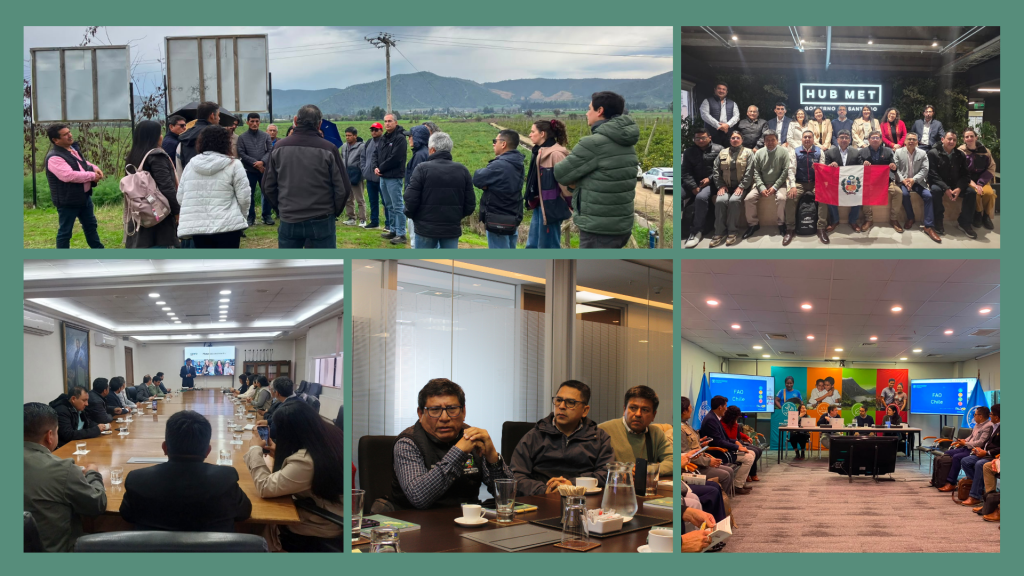
A delegation of 16 representatives from the La Libertad region (Peru)—composed of members of the public sector, academia, and civil society—learned about Chilean experiences in public policy, productive development, and rural development.
Rimisp publishes chapters in books on contemporary rural life and gender inequalities
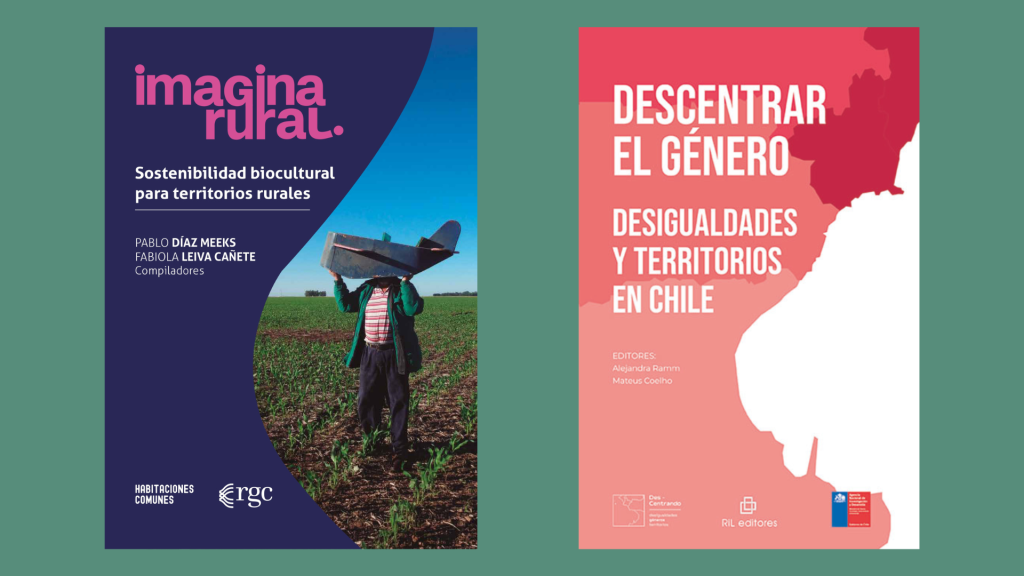
Researchers contributed to publications aimed at contributing to the debate on territorial and rural issues.
From Entrepreneurs to Stewards: Development Policies for Family Farming in Chile

A new Rimisp report explores the evolution of public policies aimed at smallholder family farming in Chile, identifying the various government approaches and their effects on rural areas.
From Entrepreneurs to Stewards: Development Policies for Family Farming in Chile (1990–2023)
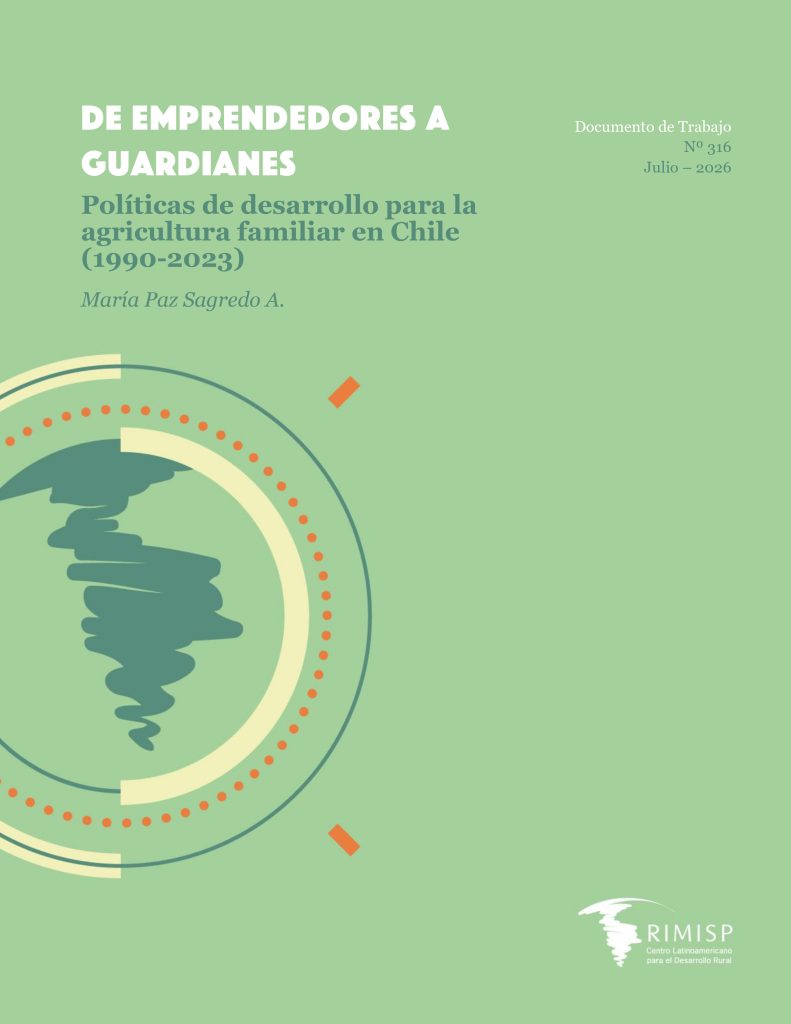
This document analyzes the evolution of public policies aimed at small-scale family farming in Chile between 1990 and 2023, using the Coquimbo Region as an empirical case study.
Rimisp Participates in the 3rd Annual Conference on Conflict, Climate Change, and the Environment in the MENA Region
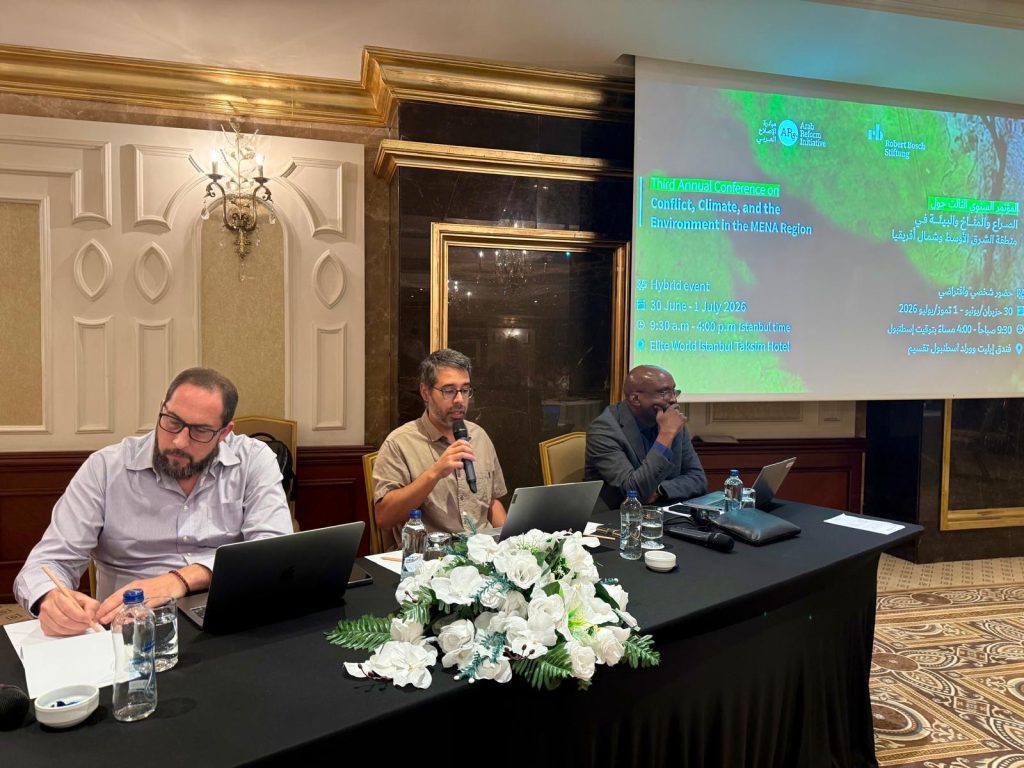
Rodrigo Yáñez, director of Rimisp, attended the event held in Istanbul, Turkey, where he participated in an international panel that discussed lessons and experiences from cases outside the Middle East and North Africa region.
Chile: On-site training sessions for smallholder family farming in Ñuble and La Araucanía have concluded
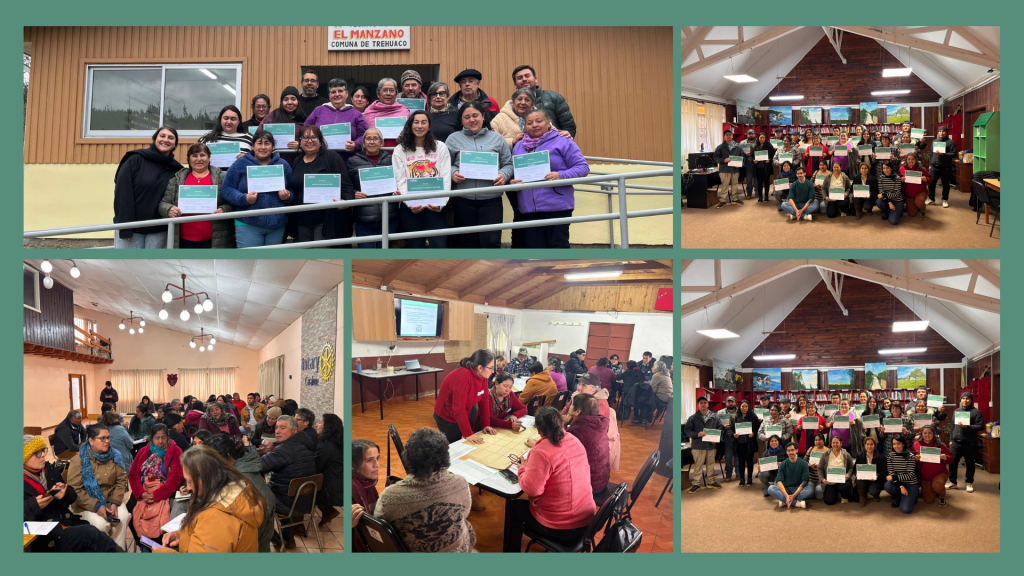
As part of the Connected Communities project, the three courses of the “Digital Transformation for Family Farming” Training Program concluded this week. This initiative drew in-person participation from nearly 350 people across 14 rural areas.
Monitoring, Evaluation, and Learning for the Norte Inspira Project
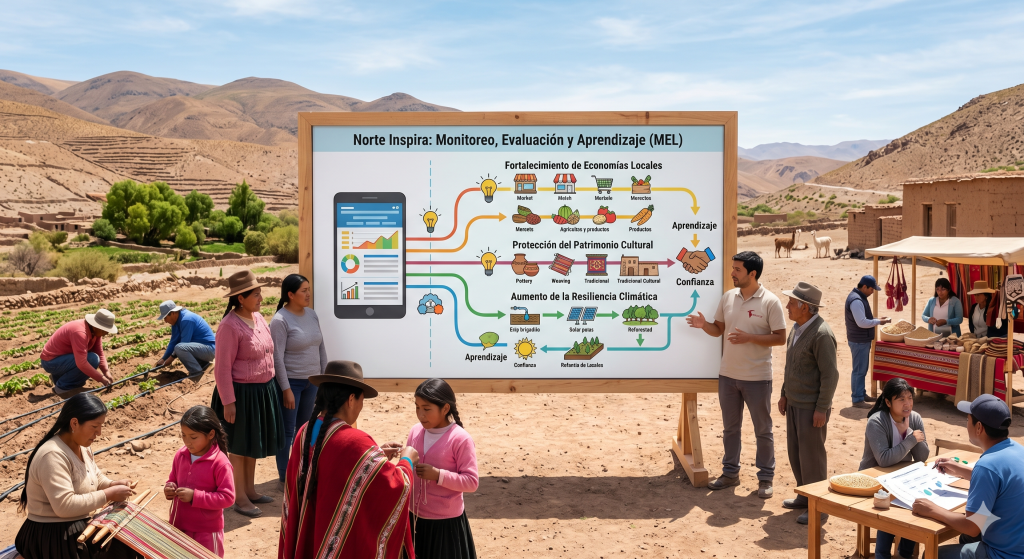
The project aims to design and implement a flexible Monitoring, Evaluation, and Learning (MEL) model for the development of the Norte Inspira Project.
An Agenda for Territorial Development between the State of Guatemala and the Q’eqchi’ people

The recent signing of the agreement between the Government of Guatemala and the Jolom Na’h Great Council in Chisec, Alta Verapaz, is the result of years of community work and dialogue with different government agencies, aimed at building bridges between ancestral knowledge and public policies.
Decentralization in Chile: An Analysis of the Regulatory Framework for Regional Governments
This working paper analyzes the recent regulatory framework for decentralization in Chile, focusing on the institutional design of regional governments from four perspectives: administrative, fiscal, political, and governance.
INCATA Project: Evidence and knowledge on the role of the “hidden environment” in agricultural transformation
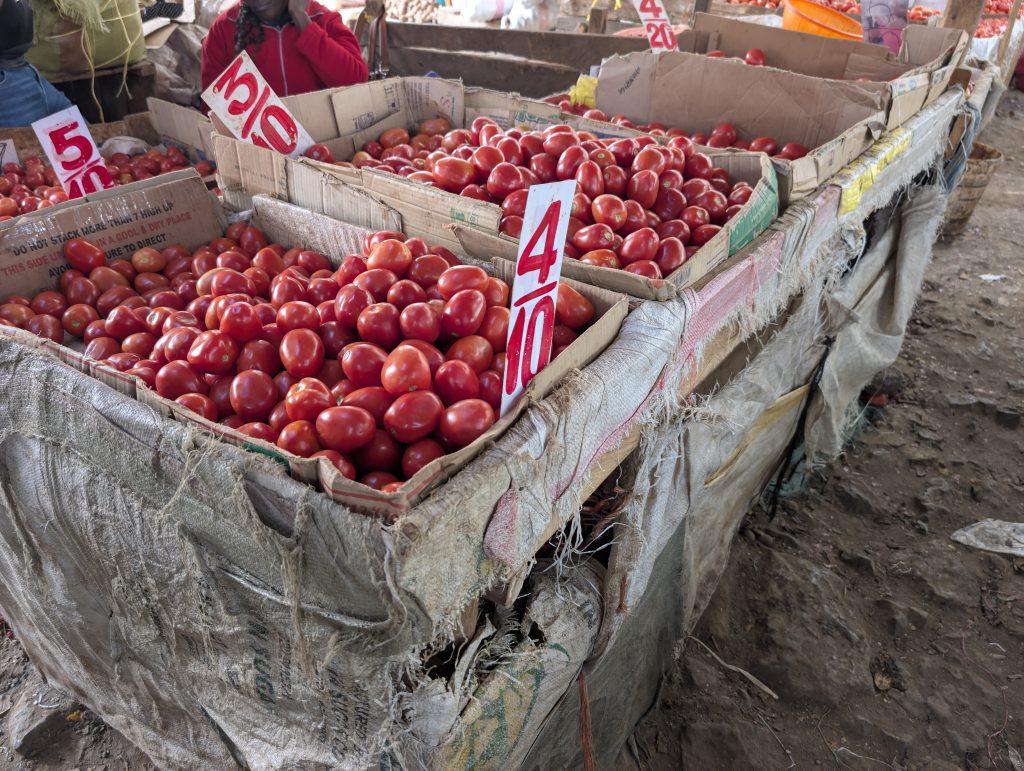
The initiative has completed its activities in Africa and Odisha (India), the final work focused on the publication of documents with the project’s findings.