Illicit Coca Cultivation and Public Policies in Peru: A Socio-territorial Conflict Approach
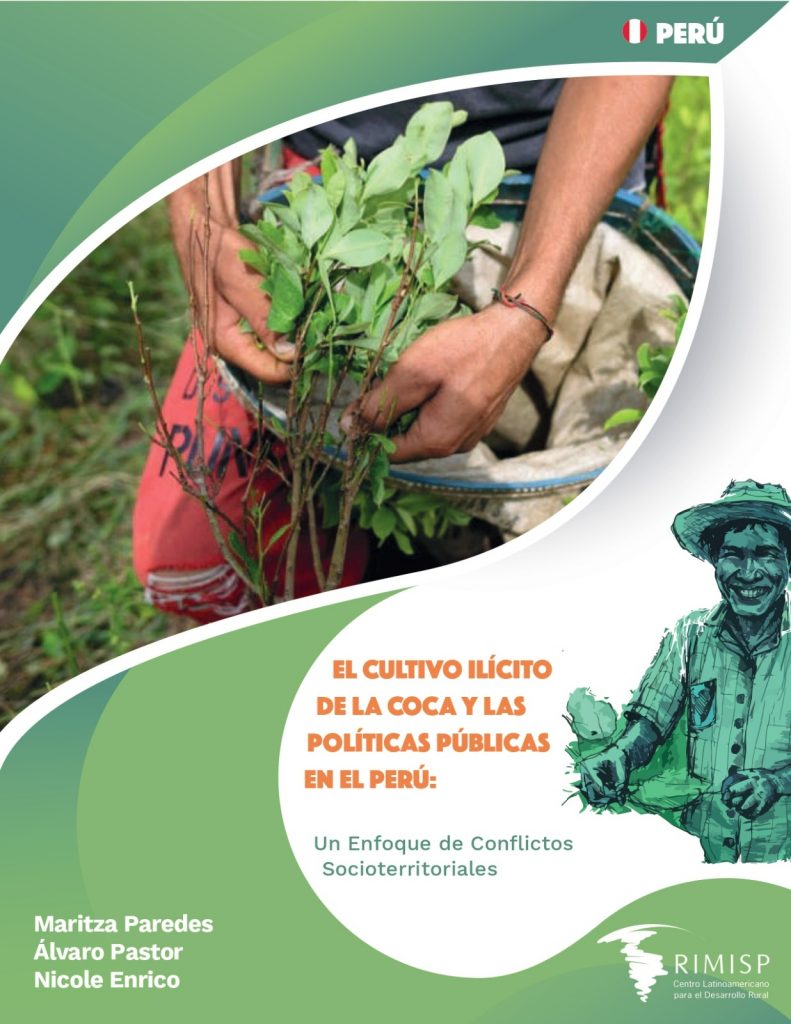
This report characterizes the socio-territorial conflicts linked to the expansion of illicit coca crops and state control policies in Peru. Its objective is to systematize the available information on the situation of these crops and their recent territorial disaggregation.
Public Policy and Socio-territorial Conflicts: Analysis of the Comprehensive National Programme for the Substitution of Illicit Crops in Colombia (PNIS)
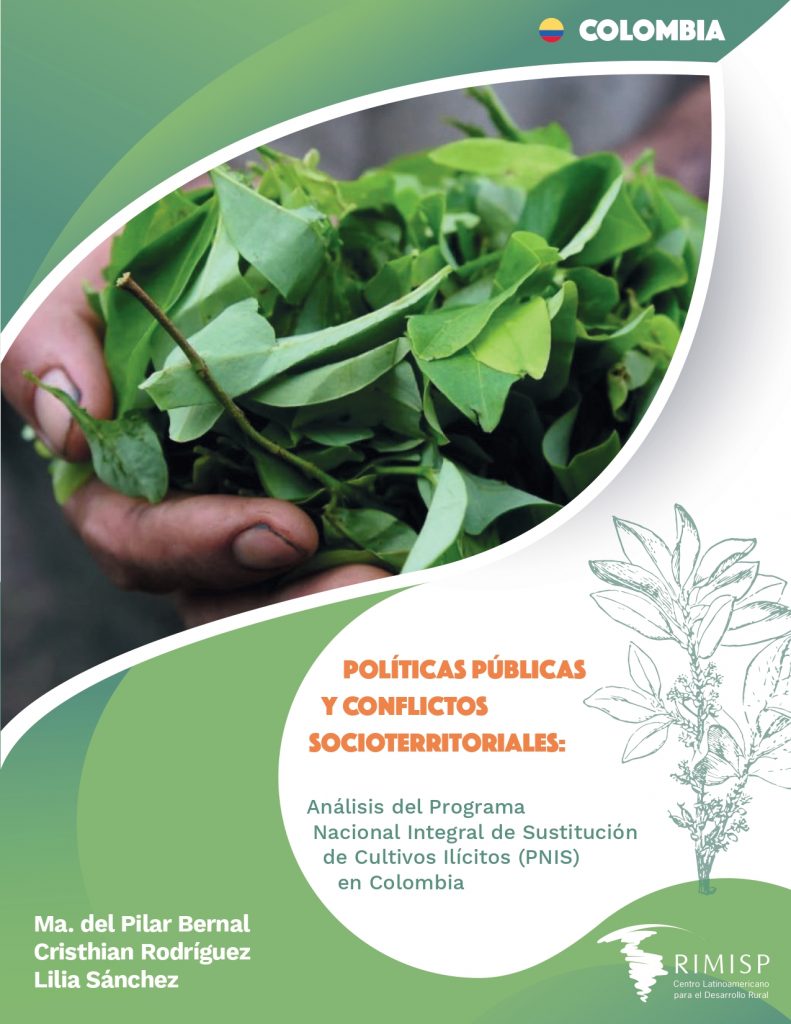
This research report presents the case study on Colombia carried out in the framework of the research “Territorial dynamics and socio-territorial conflicts (CST) associated with the production (cultivation) and/or circulation (transit) of illicit drugs in the Andean sub-region of Latin America”.
Public Policy and Socio-territorial Conflicts: Coca Substitution and Control in the Andean Sub-region. Context and trends
This is one of the four working documents that make up the collection of publications prepared by the research team with the purpose of presenting and disseminating some reflections based on the findings obtained in the project: Strengthening the thematic area of socio-territorial conflicts.
Project summary:
Capacity Building in the Municipal Public Management Cycle in seven municipalities of the Department of Caquetá and Meta
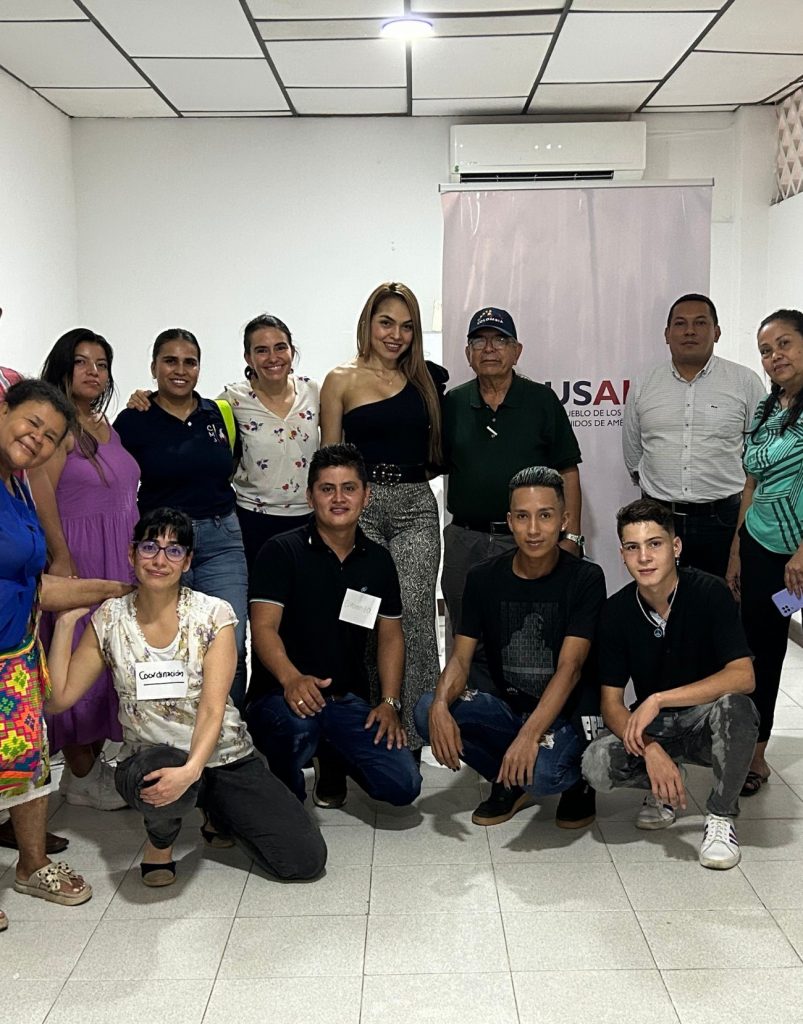
This summary seeks to present in more detail the work that has been developed so far in the project. ‘Capacity Building of the Municipal Public Management Cycle in seven municipalities of the Department of Caquetá and Meta’.
Rimisp 2023 Annual Report
This document provides an overview of the work carried out this year. It is divided into sections: projects, activities, publications, press appearances, institutional strengthening, donors and Rimisp’s network of partners.
Chile: Rural electoral balance in Exit Plebiscites 2022-2023
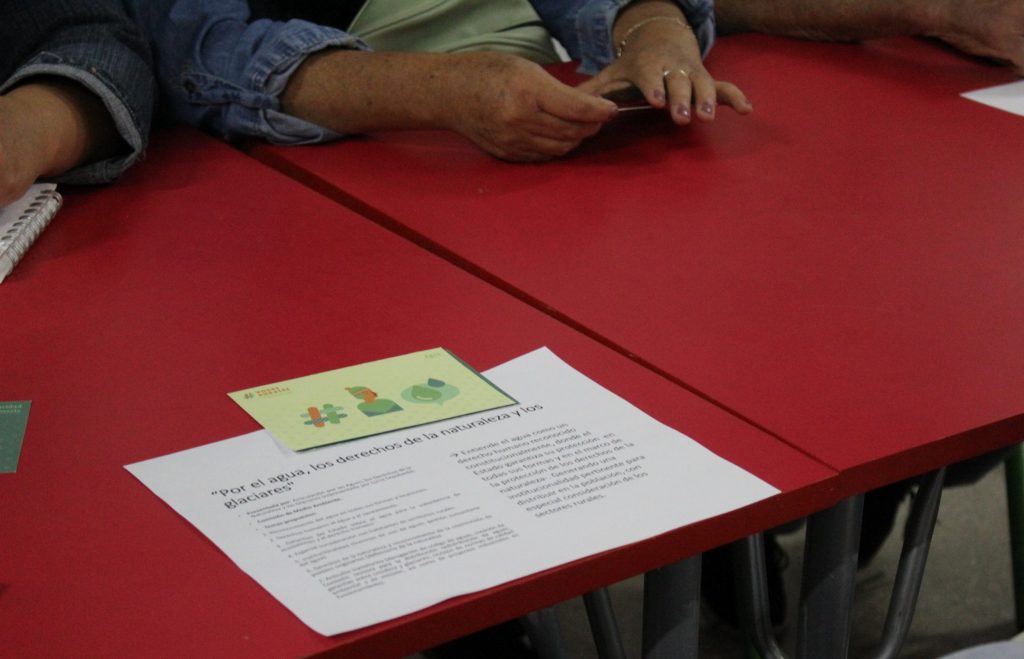
This report presents an electoral balance with a territorial-rural focus that compares the results obtained between two political processes of similar characteristics: the Exit Plebiscite of 2022 and the Exit Plebiscite of 2023.
Food insecurity in Chile: a multidimensional perspective
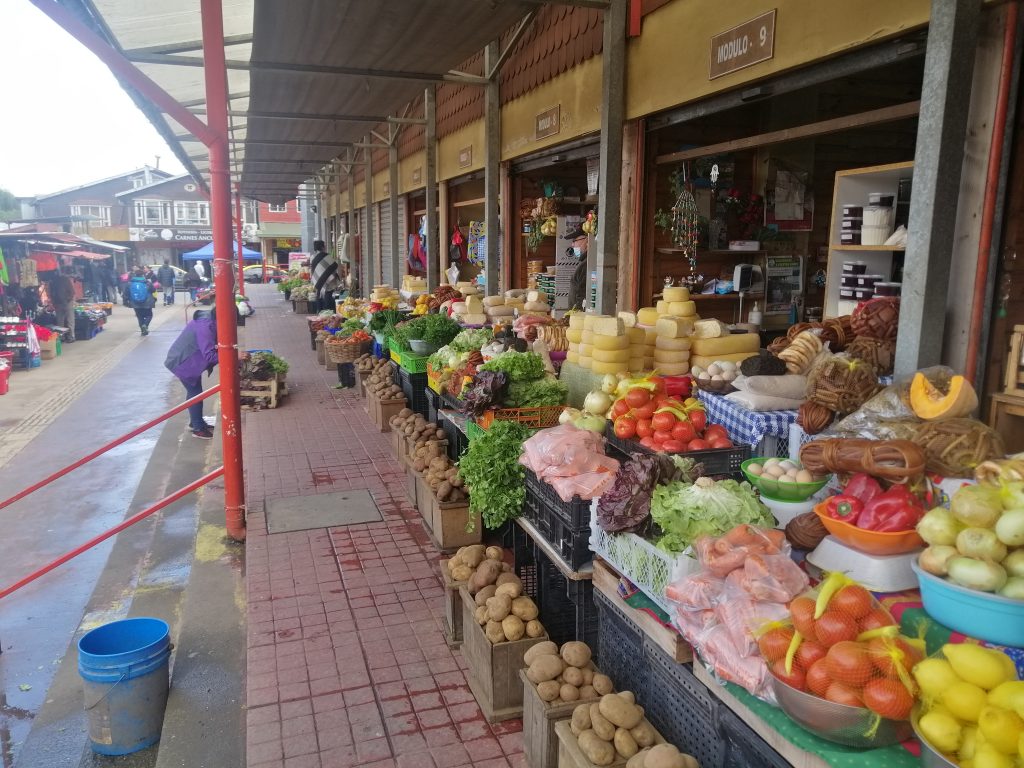
This article summarises the state of food insecurity in Chile, how it has changed in recent years, its measurement and its relevance for the discourse on income and multidimensional poverty.
Overcoming hunger from the territories: Recommendations for including the right to food in development plans in Colombia
We have researched this issue in depth in several Latin American territories and found evidence of how a territorial approach can help to move forward more quickly in addressing this priority right. The following document presents some of these conclusions and provides proposals for future development plans.
Redesigning Decentralisation – Executive Summary
This paper attempts to take some steps in the still shaky terrain of the new decentralisation. In addition to this introduction, the paper presents an executive summary and four chapters with their respective annexes. We have revised, adjusted and expanded what we call the findings of the decentralisation model, incorporating in this version, among other elements, the analysis of ethnic territories, especially indigenous ones, as well as defining more precisely the scope of the transfer model.
El Salvador: Ecosystem restoration and conflict transformation
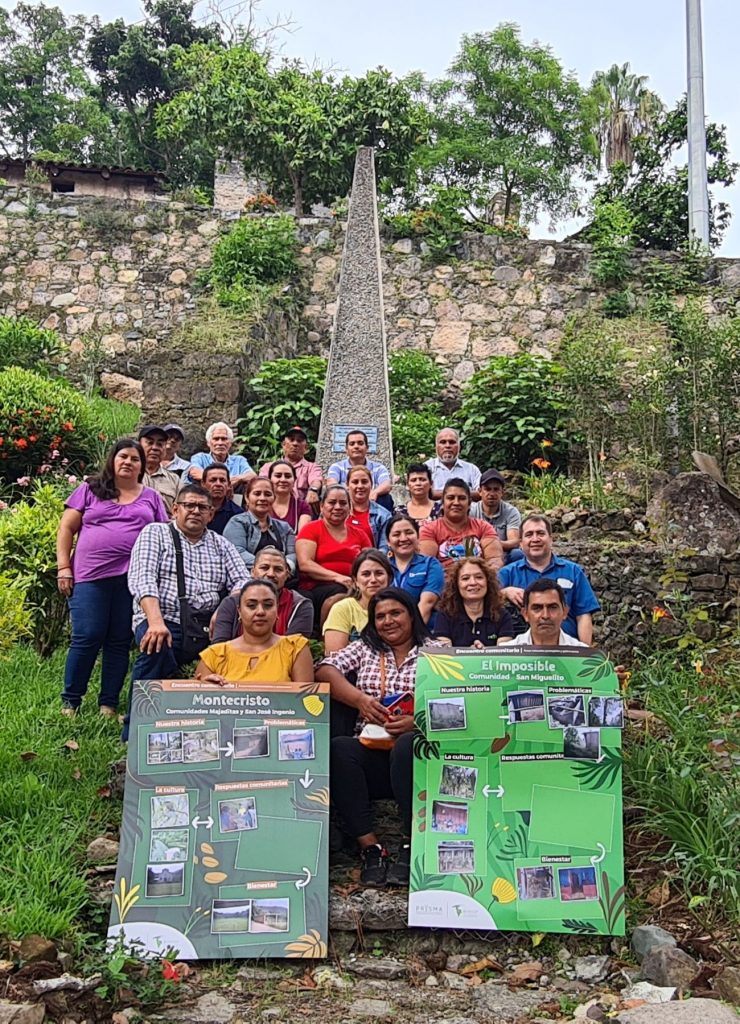
The ecosystem restoration agenda in El Salvador began to gain prominence in the last decade as a response to the persistent historical dynamics of environmental degradation and the growing impact of climate change. These issues have had negative consequences on the livelihoods and food security of the population.
The lessons learned in San Miguelito are valuable for government institutions, donors and other stakeholders seeking to advance restoration goals and promote inclusive approaches to territorial governance.