From the Arctic to the Amazon: Rimisp launches book on indigenous food culture

02/12/2025

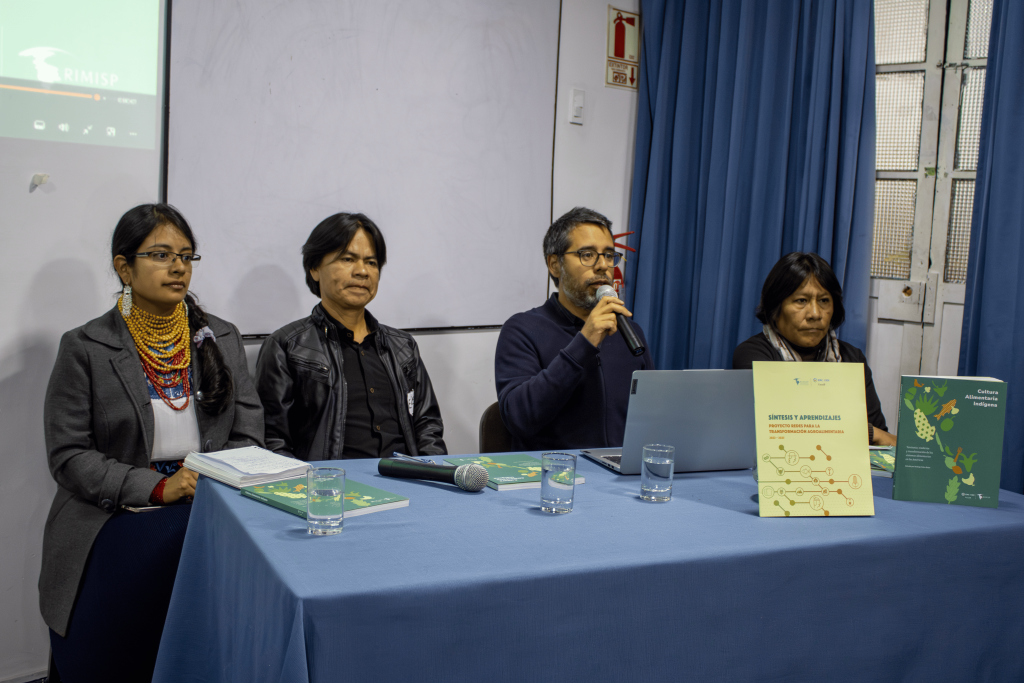
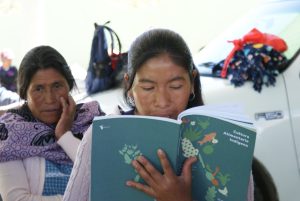
The city of Cusco was the setting for the launch of Indigenous Food Culture: Territory, Tradition and Transformation of Food Systems in the Americas“. This work, edited by Rimisp – Latin American Center for Rural Development, connects the voices, knowledge and flavors of ten indigenous peoples and nations of the continent, from Canada to the Amazon and the Andes.

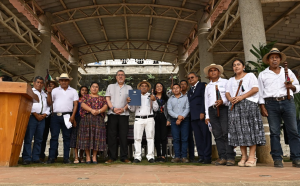
The event was held at the Hotel Casa Campesina (Cusco, Peru), and the book was presented in Peru by its editor, Rodrigo Yåñez Rojas, director of Rimisp. The panel of commentators included representatives of indigenous peoples who are co-authors and protagonists of the book: Ernesto Tzi Chub, from the Q’eqchi’ People (Guatemala); Kelly Ulcuango, from the Kichwa Kayambi People (Ecuador); and MarĂ­a Quispe, from the Aymara People (Bolivia).

The book was born out of a exchange of knowledge initiated in May 2024 in Yunguilla, Ecuador, where representatives of the AshĂĄninka, Aymara, Kayambi, Cree, Inuit, NĂĄhuatl, Maya Q’eqchi’, MĂ©tis, Misak and Wolastoquey peoples met.

In this regard, Rodrigo Yåñez Rojas, director of Rimisp and editor of the book, said: “This book is the final expression of an exchange of experiences and knowledge among members of ten indigenous peoples and nations across the Americas. It began as a conversation on the transformation of indigenous food systems, which was enriched by stories, interviews and collective reflections. “.

The publication not only documents the richness of indigenous food systems, but also discusses how they have transformed and demonstrated extraordinary resilience in the face of global crises such as climate change and food insecurity.

As the book points out, exploring indigenous food systems invites us to recognize commonalities across geographies (…). It prompts us to question our assumptions about hunger, malnutrition, and inequality. “.

Rodrigo Yåñez added about the importance of the book for Rimisp:“It allows us to learn and accompany a relevant work agenda that integrates a fresh look at the study of the transformation of food systems and connects them with indigenous peoples in Latin America and Canada, an experience that has been very enriching for our network of partners“.

THE PRE-RELEASE ROUTE

The presentation in Cusco marked the final milestone in a series of pre-launches that have taken place since the end of October in five countries, connecting the communities involved in the book:

  • Ceremonial barter fair of the Misak indigenous people.
    October 29, Colombia. Organized by Misak University.
  • Meetings with communities of Zautla and IxtacamatitlĂĄn and students.
    November 10 and 15, Mexico. Organized by CESDER.
  • Farmers’ fairs in LanquĂ­n and Chisec (Alta Verapaz).
    November 13 and 22, Guatemala. Organized by Aproba Sank.
  • Meetings in Torotoro and the communities of Rancho Pampa and Cusi Cusi.
    November 18, 19 and 20, Bolivia. Organized by PROSUCO.
  • Pre-launch with Kichwa Kayambi communities.
    November 22, Ecuador. Organized by Amawtay Wasi University.

THE TOPICS COVERED IN THE BOOK

The book is structured in six chapters that combine essays, in-depth interviews and a traditional recipe book. Throughout its pages, it addresses crucial topics such as:

  1. Food Sovereignty: Understood as the right of peoples to define their own production and consumption policies.
  2. Transformation and Resistance: An analysis of how industrialization and migration have impacted traditional diets, and the strategies of communities to preserve their knowledge.
  3. Climate Change: Indigenous peoples’ views on alterations in agricultural cycles and their collective adaptation strategies.
  4. Ancestral Recipe Book: A compilation of preparations such as Jarwi Lawa (Bolivian wheat soup), Kaq Ik (Guatemalan chunto broth) and Barbacoa de chivo en horno de tierra (Mexico), among others.

The book “Indigenous Food Culture” is made possible thanks to the funding of the International Development Research Centre (IDRC) and the coordination of Rimisp – Latin American Center for Rural Development. The publication is available in Spanish, English and French at the following LINK.

News

Project News

Country news

Subscribe

Our offices: