The role of the “hidden link” in agrifood systems marked the debate at the International Seminar of the INCATA project

12/12/2025

Within the framework of the INCATA project, international experts met to discuss how the linkage between small-scale producers and agri-food MSMEs boosts rural development in Africa, Asia and Latin America.

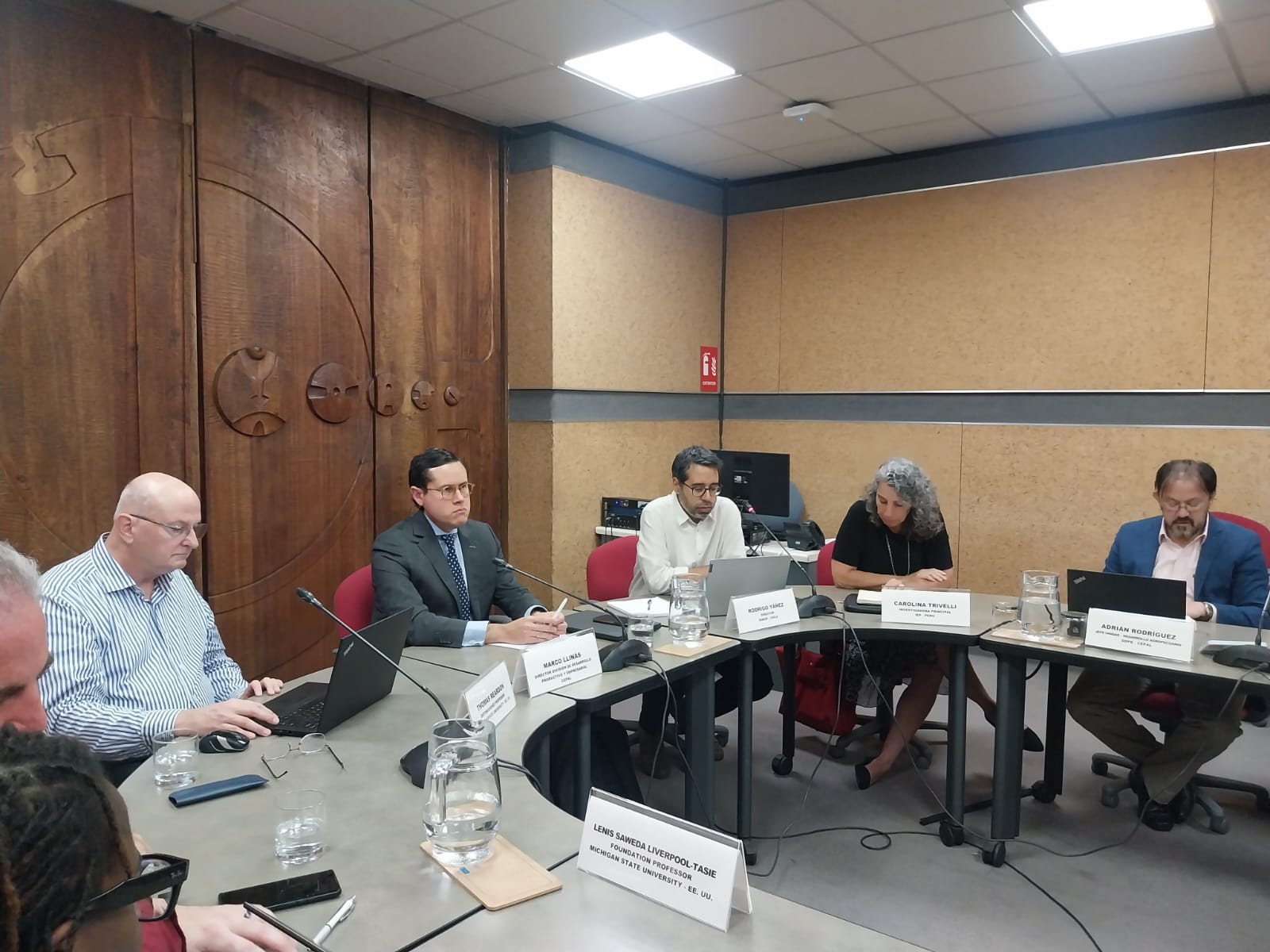
The International Seminar on “Productive Articulation for an Inclusive Agricultural Transformation”, organized by Rimisp – Latin American Center for Rural Development and the Caribbean (Rimisp), was held in the Medina Room.organized by Rimisp – Latin American Center for Rural Development and Economic Commission for Latin America and the Caribbean (ECLAC), was held in ECLAC’S Medina Room.

The central theme of the meeting was the presentation of the progress of the project INCATA: Linked Farms and Enterprises for Inclusive Agricultural Transformation in Africa and Asia projectan initiative led by Rimisp with the financial support of the Gates Foundation. This project investigates the relationship between small commercial producers and Micro, Small and Medium Enterprises (MSMEs) in what is referred to as the “hidden middle” of the value chains.

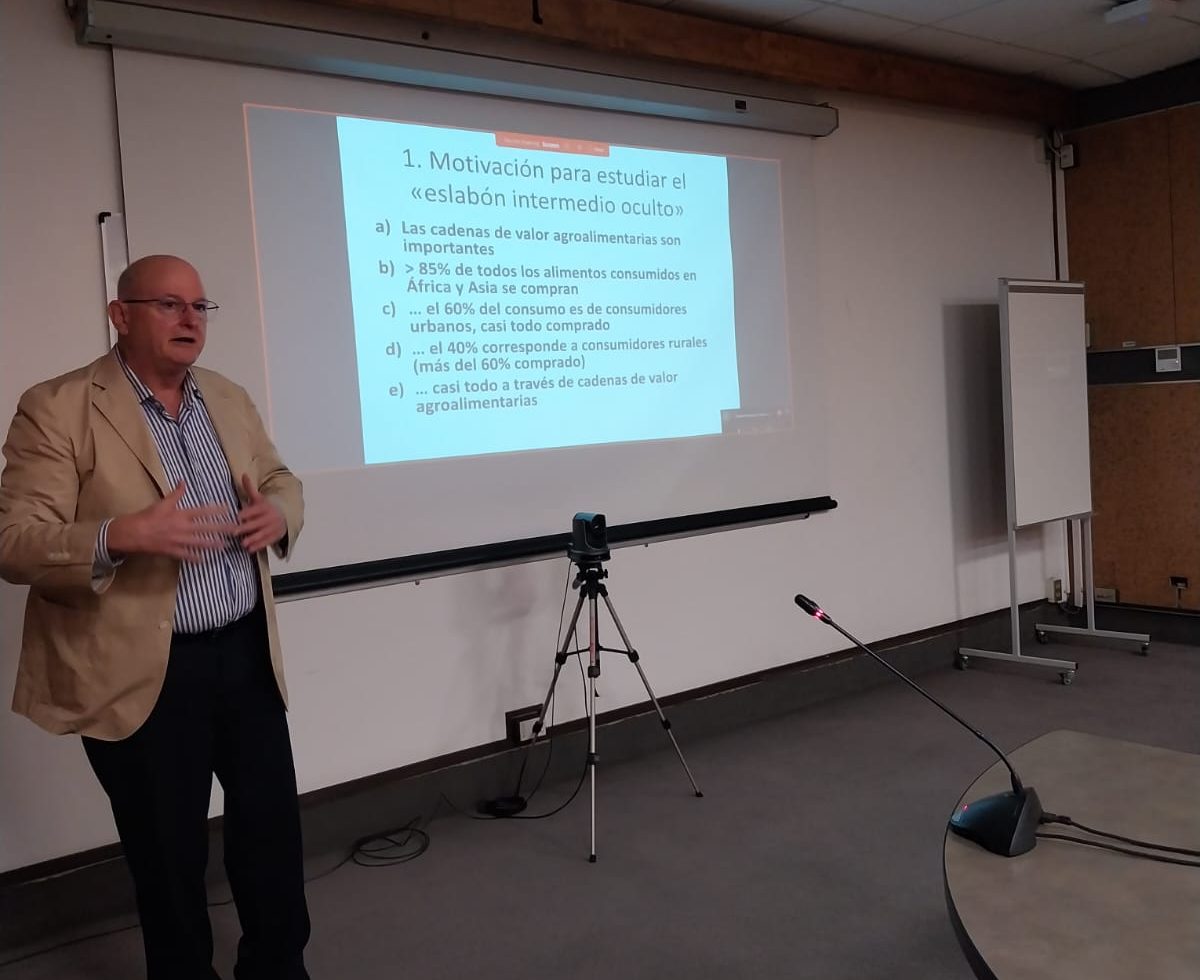
THE “HIDDEN MIDDLE”

During his presentation,Thomas Reardon, Distinguished Professor at Michigan State University (MSU), emphasized the magnitude of this intermediate sector (food logistics, processing and wholesale trade). Reardon explained that agricultural value chains are vital. “We have seen in our research that this does not enter into the debate. Normally, people think it is necessary to create, start and establish this link. Reardon clarified that this sector already exists, and pointed out that it is dynamic and fundamental to the food security of rural and urban consumers.

The Director of Rimisp’s Chile Office, Rodrigo Yáñez, noted that the INCATA project is being executed through a network of institutions of excellence, including Michigan State University, IFPRI in India and the Tegemeo Institute in Kenya. The study involves surveys, interviews and fieldwork in the state of Odisha (India) and Kenya, while secondary data analysis is being carried out in six countries in Sub-Saharan Africa, seeking to understand which investments and policies accelerate the co-development of producers and enterprises.

LESSONS FOR LATIN AMERICA

Although the project focuses on Africa and Asia, the seminar dedicated a space to link these findings with the Latin American reality. The panel included Carolina Trivelli, senior researcher at IEP (Peru), who addressed the challenges of financial inclusion and rural women, and Saweda Liverpool-Tasie (MSU), who spoke on input markets and gender.

The day concluded with a debate on the importance of these advances for rural development public policies in the region, highlighting how the modernization of intermediate links can be a driving force for the reduction of rural poverty.

News

Project News

Subscribe

Our offices: