Director de Rimisp participa en el lanzamiento global de informe sobre la transformación de los sistemas alimentarios
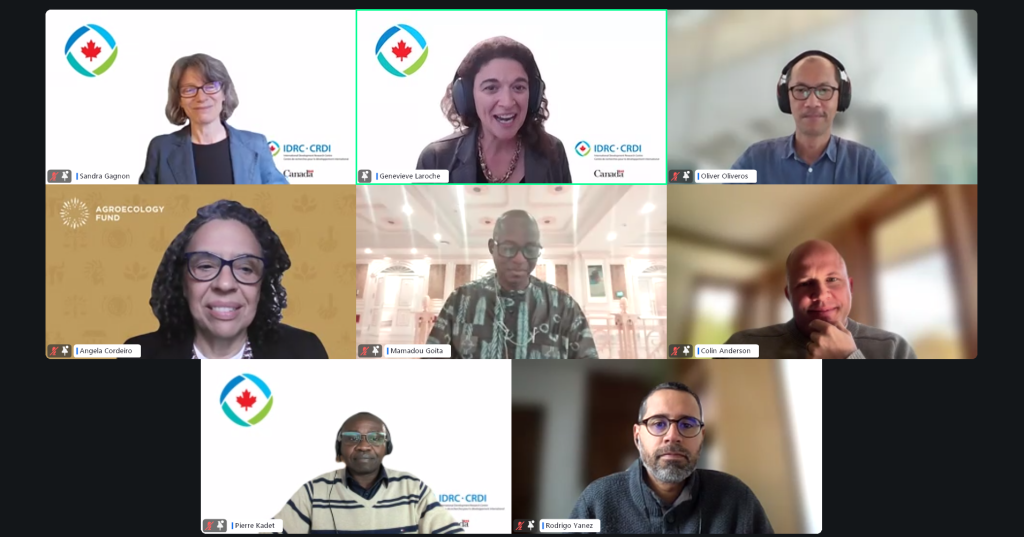
Rodrigo Yáñez Rojas participó como panelista en el seminario web de lanzamiento del informe “A Matter of Principles: Leveraging Research for Food Systems Transformation”.
Rimisp publica capítulos en libros sobre ruralidad contemporánea y desigualdades de género
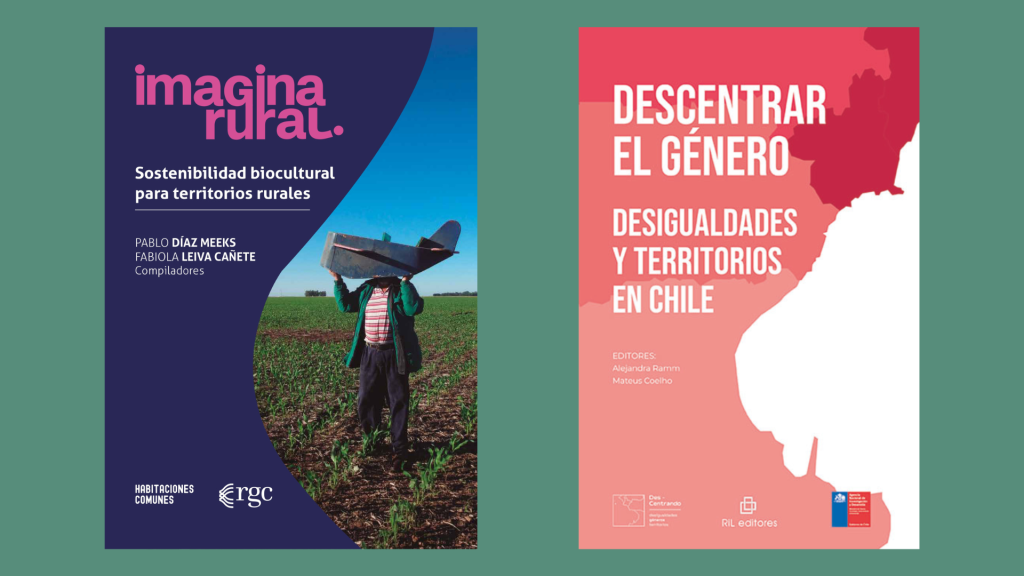
Investigadoras/es participaron en publicaciones que buscan aportar al debate territorial y rural.
De emprendedores a guardianes: Políticas de desarrollo para la agricultura familiar en Chile

Nuevo documento de Rimisp explora la evolución de las políticas públicas dirigidas a la agricultura familiar campesina en Chile, identificando las distintas visiones estatales y sus efectos en los territorios rurales.
De emprendedores a guardianes: Políticas de desarrollo para la agricultura familiar en Chile (1990-2023)
Este documento analiza la evolución de las políticas públicas orientadas a la agricultura familiar campesina en Chile entre 1990 y 2023, tomando como referente empírico la Región de Coquimbo.
Rimisp participa en la 3ra conferencia anual sobre conflicto, cambio climático y medio ambiente en la región MENA
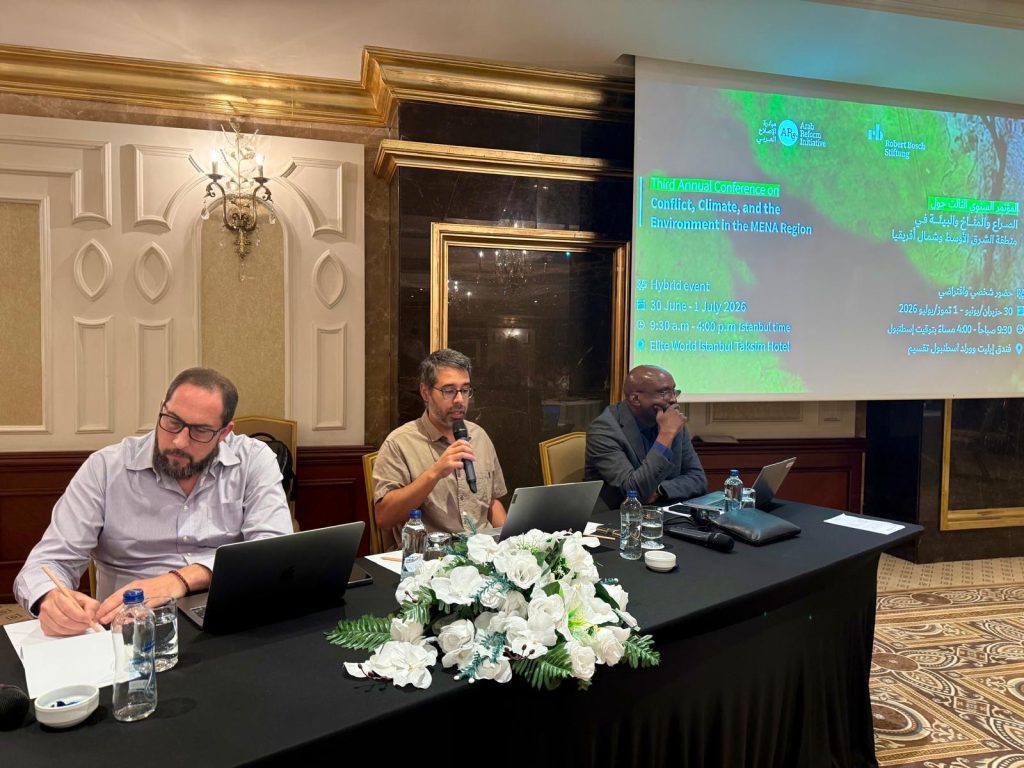
Rodrigo Yáñez, director de Rimisp, asistió al evento realizado en Estambul, Turquía, donde integró un panel internacional que abordó lecciones y experiencias de casos fuera de la región de Medio Oriente y Norte de África.
Grupo de Diálogo Rural Colombia: Hacia una agroindustria económica, social y ambientalmente sostenible.
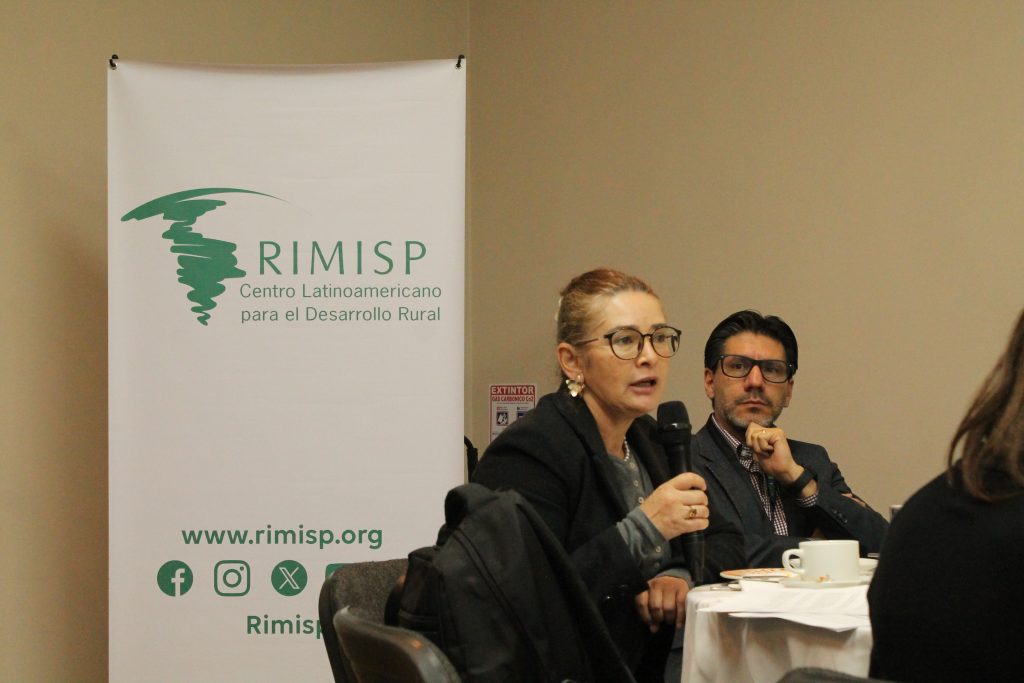
La quinta sesión del Grupo de Diálogo Rural (GDR) tuvo como objetivo profundizar el análisis técnico sobre el camino hacia una agroindustria económica, social y ambientalmente sostenible.
Chile: Finaliza el despliegue en terreno de las capacitaciones para la Agricultura Familiar Campesina en Ñuble y La Araucanía
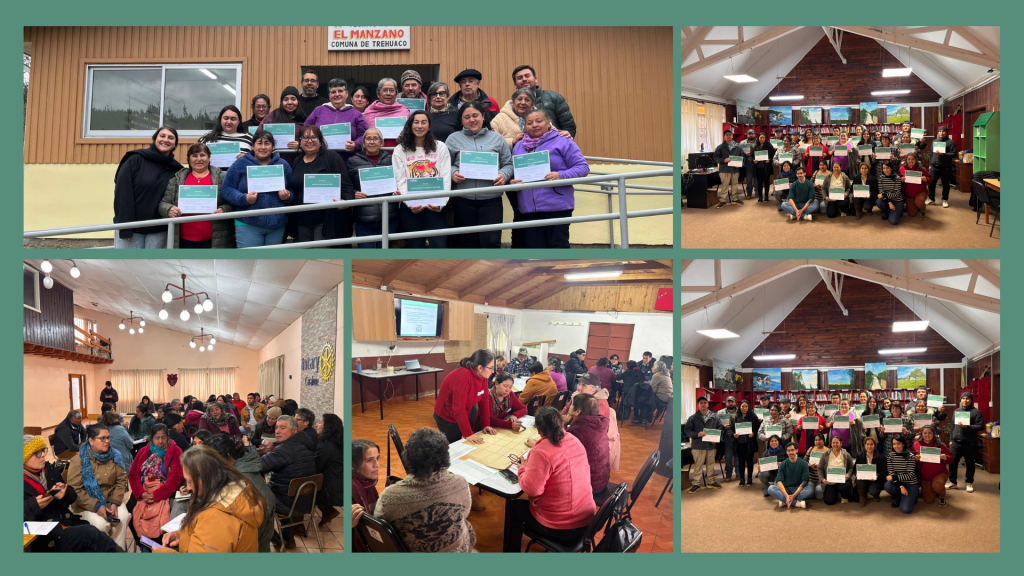
La iniciativa, organizada por ACNUR, la Agencia de la ONU para los Refugiados y Rimisp -Centro Latinoamericano para el Desarrollo Rural, buscó entregar herramientas, competencias y habilidades sociales para que los participantes pudieran reconocer y potenciar su capacidad organizativa, fomentar la creación de vínculos de confianza y la participación comunitaria.
Una Agenda de Desarrollo Territorial entre el Estado de Guatemala y el pueblo Q’eqchi’

La reciente firma del acuerdo entre el Gobierno de Guatemala y el Gran Consejo Jolom Na’h en Chisec, Alta Verapaz, es el resultado de años de trabajo comunitario y diálogo con distintas instancias de gobierno, que tienen como objetivo construir puentes entre saberes ancestrales y políticas públicas.
Proyecto INCATA: Evidencia y conocimiento sobre el rol del “medio oculto” en la transformación agrícola
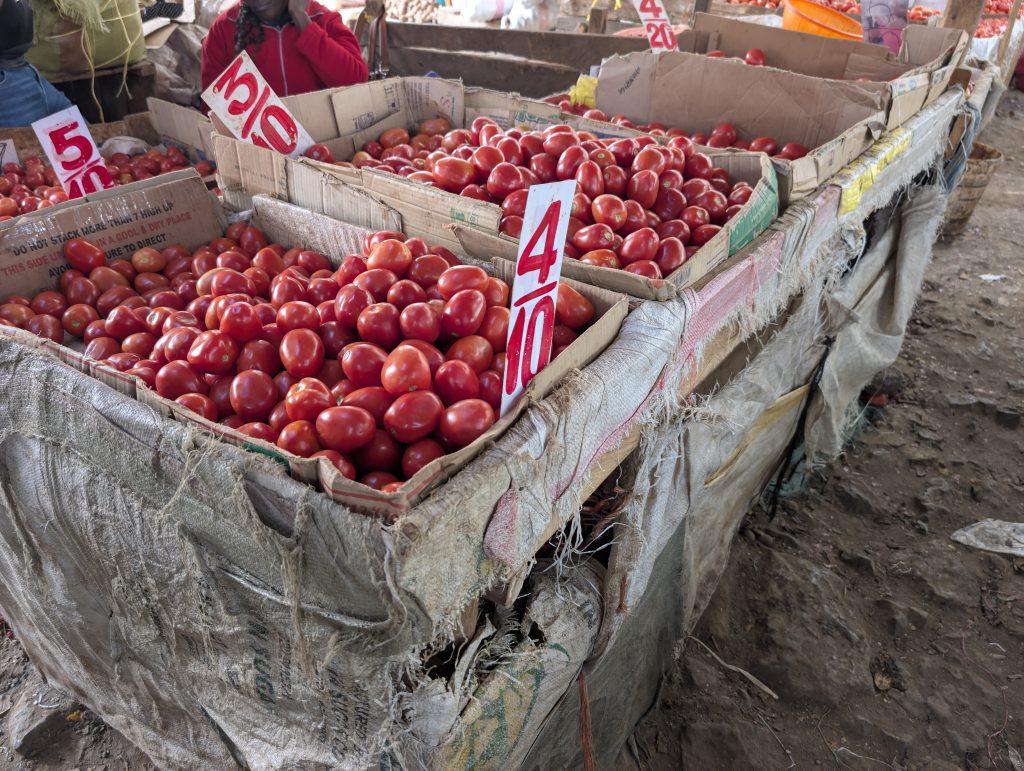
La iniciativa ha finalizado sus actividades en África y Odisha (India), centrando su etapa de cierre en la transferencia de la evidencia técnica generada durante su ejecución.
The Hidden Middle at Work: Agrifood MSMEs, Employment and Inclusion in Africa and Latin America
This report uses harmonized micro data from ten African and Latin American countries to describe the structure, growth and employment role of non-farm micro, small and medium enterprises (MSMEs) along the agrifood value chain.