Informe Anual 2025

Documento realiza un recorrido por el trabajo realizado durante este año. Se divide en las secciones: proyectos, actividades, publicaciones, academia Rimisp, comunicaciones, consejo internacional y redd de donantes y socios de Rimisp.
Encuesta de Producción Sostenible (EPS)
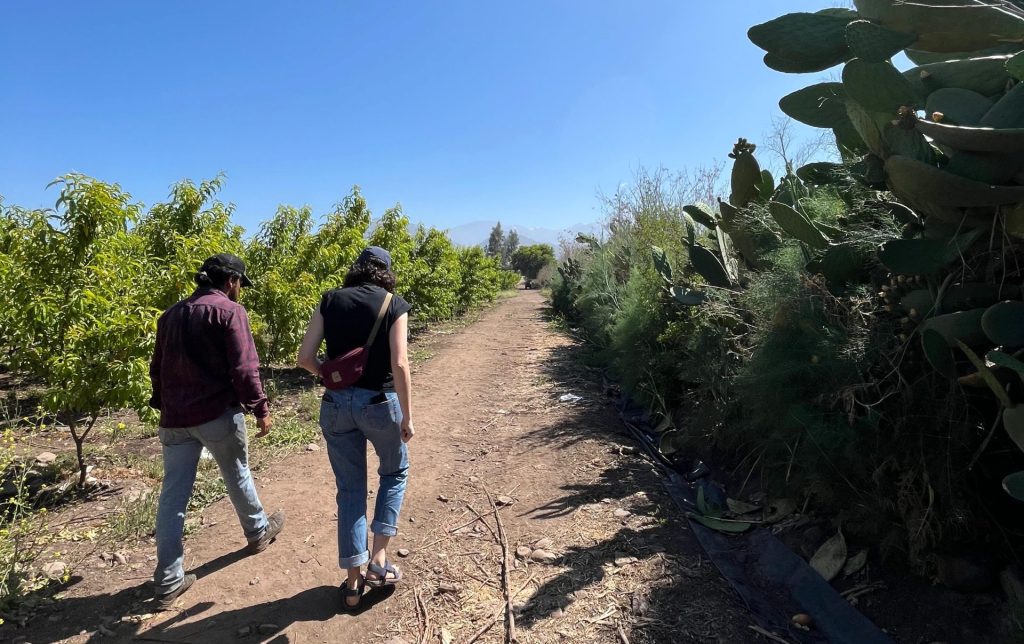
Esta iniciativa es ejecutada por Rimisp por encargo de INDAP y el Banco Interamericano de Desarrollo (BID), en el marco de una investigación conjunta con la Universidad de Notre Dame (EE.UU.). El proyecto consiste en el levantamiento de información mediante la aplicación presencial de la Encuesta de Producción Sostenible, dirigida a usuarios y usuarias de INDAP, seleccionados en 90 comunas rurales del país.
El rol del “eslabón oculto” en los sistemas agroalimentarios marcó el debate del Seminario Internacional del proyecto INCATA
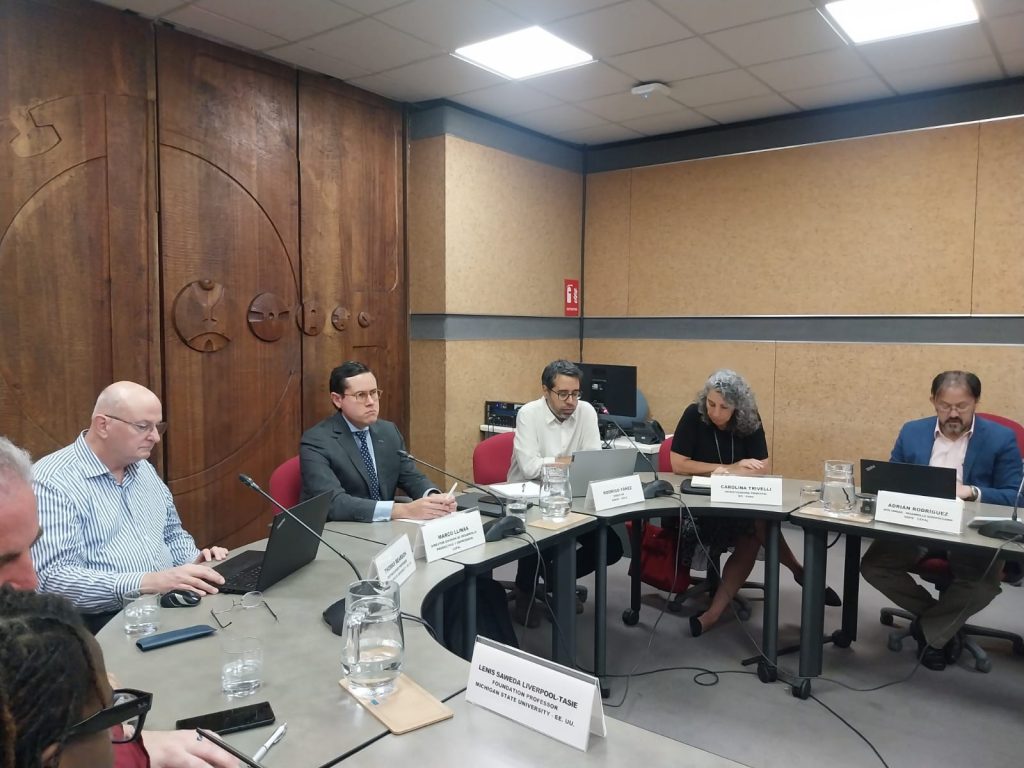
En el marco del proyecto INCATA, expertos internacionales se reunieron para debatir cómo la articulación entre pequeños productores y las MIPYMES agroalimentarias impulsa el desarrollo rural en África, Asia y América Latina.
Desde el Ártico hasta la Amazonía: Rimisp lanza libro sobre la cultura alimentaria indígena

La ciudad de Cusco fue el escenario del lanzamiento de “Cultura alimentaria indígena: Territorio, tradición y transformación de los sistemas alimentarios en las Américas”. Esta obra, editada por Rimisp – Centro Latinoamericano para el Desarrollo Rural, conecta las voces, saberes y sabores de diez pueblos y naciones indígenas del continente, desde Canadá hasta la Amazonía y los Andes.
Culture Alimentaire Autochtone
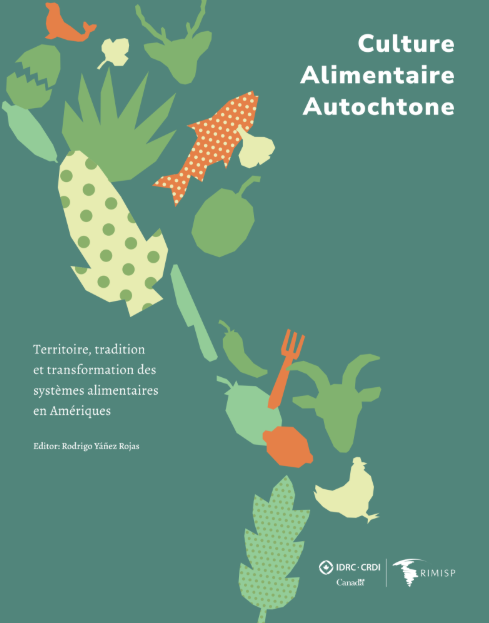
Cet ouvrage constitue l’expression ultime d’un échange d’expériences et de savoirs entre membres des peuples et nations asháninka, aymara, kayambi, cri, inuit, náhuatl, maya q’eqchi’, métis, misak et wolastoqey, qui traversent le continent américain du nord du Canada jusqu’en Amazonie.
Indigenous Food Culture
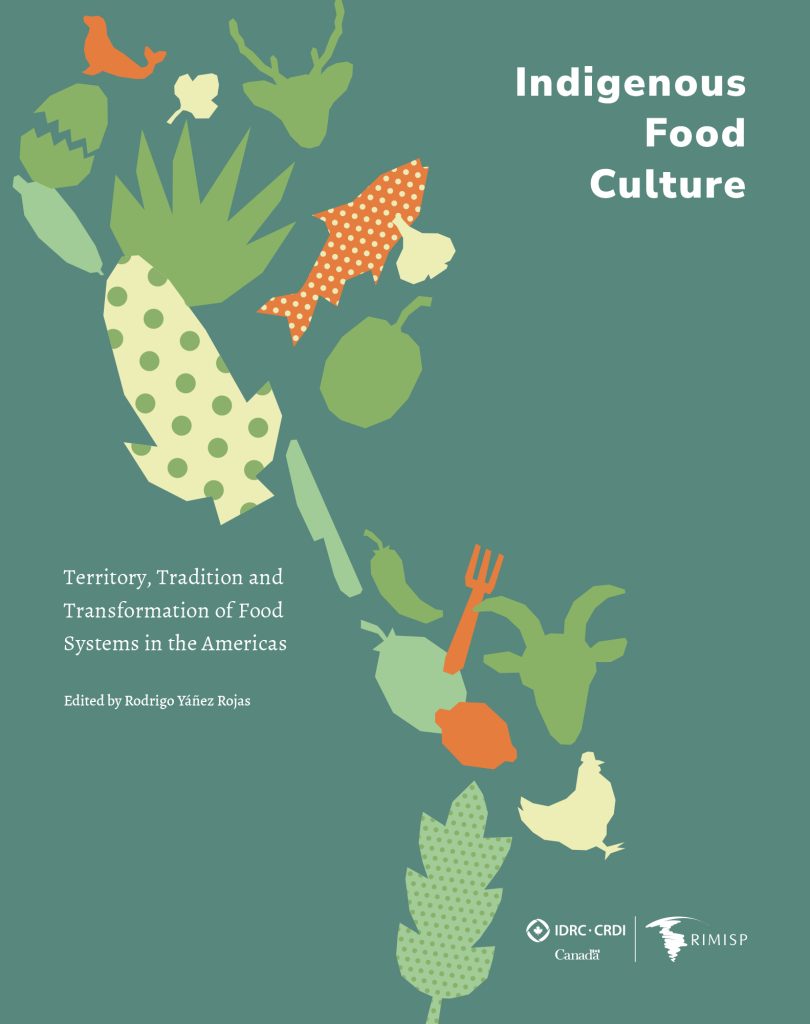
This book is the final expression of an exchange of experiences and knowledge among members of the Asháninka, Aymara, Kayambi, Cree, Inuit, Náhuatl, Maya Q’eqchi’, Métis, Misak, and Wolastoqey peoples and nations, spanning the American continent from northern Canada to the Amazon.
Cultura Alimentaria Indígena
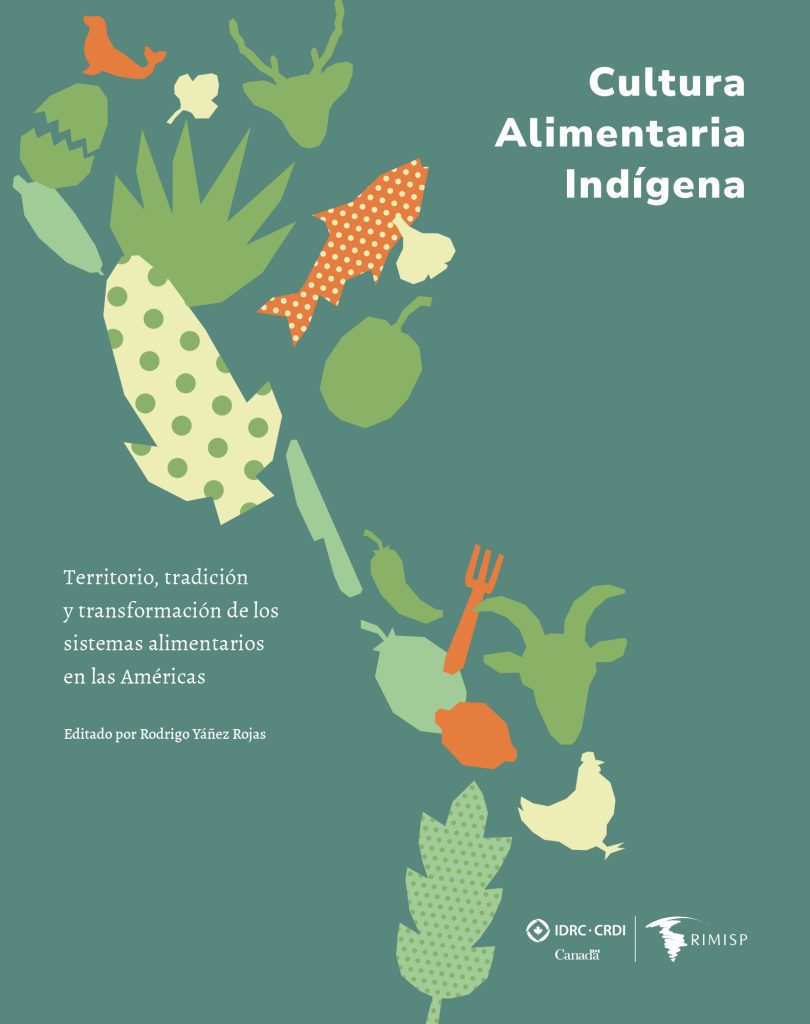
Este libro es la expresión final de un intercambio de experiencias y saberes entre miembros de los pueblos y naciones asháninka, aymara, kayambi, cree, inuit, náhuatl, maya q’eqchi’, métis, misak y wolastoquey, que atraviesan el continente americano desde el norte de Canadá hasta la Amazonía.
The hidden middle of agrifood systems: a systematic review of leading authors and policy recommendations
This report synthesizes the literature on the Hidden Middle of agrifood systems—the midstream segment that connects producers to markets through processing, logistics, and intermediation.
Comunidades de Bolivia y Ecuador reciben los últimos pre-lanzamientos del libro “Cultura Alimentaria Indígena”
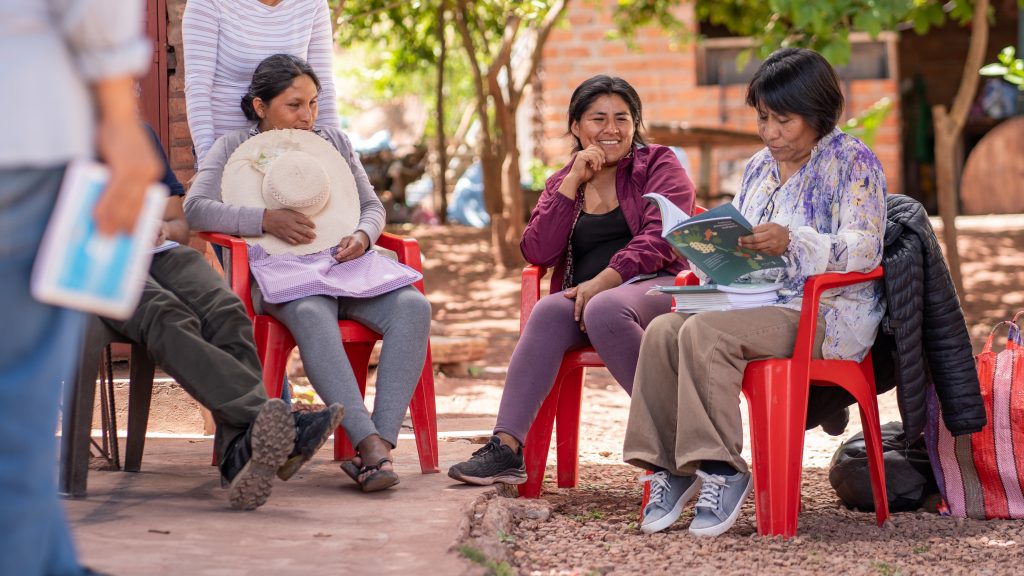
Desde finales de octubre, Rimisp y sus socios territoriales han recorrido comunidades de Colombia, México, Guatemala, Bolivia y Ecuador para presentar la publicación. El ciclo culminará este 1 de diciembre con el evento de lanzamiento en Perú.
Evidence Review: Investments and Policies in Agrifood Chain Linkages
Agrifood systems are increasingly shaped by activities beyond the farm gate, yet the midstream and
downstream segments—known as the hidden middle—remain severely under-researched. This paper
presents a review of 276 impact evaluations and systematic reviews to assess what is currently known
about effective policies and programs targeting the hidden middle in low- and middle-income
countries. While 52% of the studies focus on smallholder-oriented interventions and 21% on public
goods, only 27% address the hidden middle, and nearly half of these concern contract farming—a
mechanism designed to bypass intermediaries rather than strengthen them. Most intervention
categories in the midstream and downstream are supported by fewer than four rigorous studies.
Moreover, services like storage, training, and market information are evaluated almost exclusively in
the context of producers, ignoring the micro, small, and medium enterprises (MSMEs) that dominate
the hidden middle. The paper concludes that addressing this evidence gap is essential to designing
inclusive, resilient agrifood systems and calls for a shift in research and policy focus toward the actors
and services that connect farms to markets and consumers.